
The Nature of Luck in Gambling
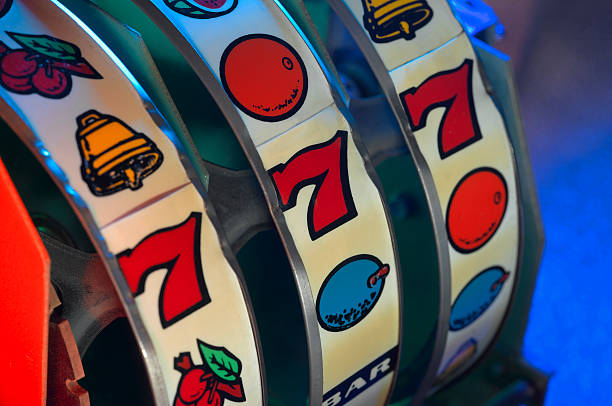
Luck is often seen as the heart of gambling, especially in casino games where outcomes are determined by chance. Many players enter casinos with the belief that luck will favor them, hoping to hit that life-changing jackpot or outshine their opponents at the poker table. The unpredictable nature of games like slots or roulette accentuates this idea; outcomes are not influenced by player skill or strategy but are entirely rooted in random chance, which can lead players to explore options like casino neosurf for added convenience. This randomness is what attracts many to the allure of casinos, where the possibility of instant wealth feels tantalizingly close.
Moreover, the psychological factor associated with luck plays a crucial role in a player’s experience in a casino. Many individuals may carry superstitious beliefs surrounding luck, such as wearing specific clothing or performing rituals before placing bets. These behaviors are not merely whimsical but are often rooted in deep-seated psychological needs for control and assurance in an environment filled with uncertainty. Such rituals can enhance a player’s sense of connection to their luck, creating a more engaging experience, despite the odds being heavily skewed in favor of the house.
Acknowledging the nature of luck in gambling is essential for players to maintain a balanced perspective. While luck can lead to impressive wins, it can also lead to substantial losses. Understanding that each game outcome is probabilistic rather than deterministic empowers players to manage their expectations and avoid the trap of believing that their luck will inevitably change in their favor. This address of luck’s duality—its ability to both create fortune and misfortune—encourages players to approach casino environments with a sense of responsibility while still allowing for the enjoyment of the thrill of chance.
The Role of Strategy in a Game of Chance
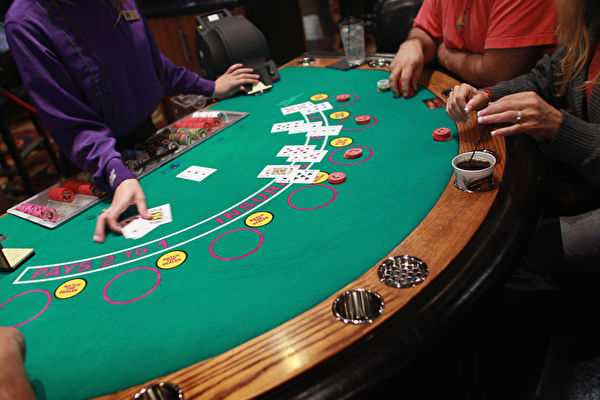
While luck is a significant component of casino success, strategy cannot be overlooked. In games such as blackjack or poker, strategic decision-making can greatly influence outcomes. While these games still include elements of chance, players who develop their skills can mitigate the randomness of luck through informed gameplay. This balance creates a fascinating intersection, where luck may set the stage, but skill plays a pivotal role in determining success and longevity in the game.
For instance, in blackjack, players can employ strategies such as card counting to gain an insight into the likelihood of favorable outcomes. Although luck still dictates the cards drawn, players with a strategic mindset can make more informed decisions on whether to hit, stand, or double down. This strategic approach allows them to gain a statistical edge, reinforcing the notion that while luck plays a significant role, informed choices can enhance their overall success.
Furthermore, the blend of luck and strategy can lead to the development of player communities and cultures. Experienced players often share tips, tricks, and strategies that revolve around understanding both the randomness of luck and the intricacies of games. These shared insights foster camaraderie among players, creating a dynamic atmosphere where luck is celebrated while strategies are honed. Thus, strategies in casinos can complement luck, providing a balanced approach to play that encourages both enjoyment and a greater chance of success.
The Psychological Impact of Luck and Winning
The psychological impact of luck and winning in casinos is profound, influencing players’ behaviors and their overall experience. A win, driven by luck, can create an exhilarating rush, releasing dopamine and reinforcing the desire to continue playing. This rush of excitement can cloud judgment, leading to an increase in betting amounts or duration at the tables, often referred to as the ‘gambler’s fallacy’—the mistaken belief that past results will affect future outcomes.
Conversely, consistent losses can lead to feelings of frustration and despair. Players may start questioning their luck, leading to a cycle of chasing losses through increased bets. This psychological rollercoaster can result in detrimental financial decisions and emotional distress. Recognizing the psychological impact of luck emphasizes the importance of responsible gambling practices. It encourages players to set limits and understand their emotional responses to winning and losing, ultimately promoting a healthier approach to casino gaming.
Furthermore, the psychological association of luck with personal identity can affect how players view themselves and their decisions. Some may see themselves as inherently lucky or unlucky individuals, which can create a narrative that impacts their future betting behavior. This self-perception emphasizes the need for awareness and reflection; recognizing that luck is a fleeting aspect of gambling encourages players to separate their self-worth from their gambling success. By fostering a mindset of balanced engagement, players can enjoy the casino experience without letting luck unduly govern their emotional wellbeing.
The House Edge and the Illusion of Luck
The house edge is a fundamental concept in understanding the relationship between luck and success in casinos. The house always has an advantage, which statistically guarantees that over time, the casino will profit from its games. This edge varies across different games, but the consistent reality remains: while luck can influence short-term outcomes, the long-term odds favor the casino. This dynamic creates an illusion of luck that can deceive players into thinking that they can consistently win based on chance alone.
This illusion of luck can be particularly enticing during streaks of wins, which leads players to believe they possess a ‘hot hand.’ However, the reality is that these streaks are merely a statistical occurrence rather than a valid strategy for success. The fluctuation between wins and losses can create a false sense of mastery over the game, causing players to overlook the fundamental principle that the odds are always tailored to ensure the house remains profitable.
Understanding the house edge and its implications allows players to adopt a more informed approach to gambling. Players can enjoy the thrill of luck while remaining cognizant of the underlying mathematics that govern their chances. In doing so, they can appreciate the excitement of the game without losing sight of the fact that winning is often a blend of luck, strategy, and the inherent risks involved in gambling.
Experience and Resources on Luck in Gambling
For individuals interested in exploring the intricate dynamics of luck in casinos, numerous resources are available to enhance understanding and strategic gameplay. Many websites offer insights into games, tips for responsible gambling, and ways to cultivate a healthy mindset towards gaming. These platforms provide articles, forums, and even expert opinions that help players navigate the complex world of gambling while embracing the role of luck in their experiences.
Additionally, joining communities dedicated to gambling can help players learn from one another, fostering discussions on luck, strategy, and psychological aspects of gambling. Engaging with others who share similar interests can open avenues for acquiring knowledge and tactics that can improve both gameplay and enjoyment. This communal approach helps players strike a balance between relying on luck and using strategies to maximize their chances of success.
Ultimately, understanding that luck is one component of a more extensive ecosystem in casino success empowers players to approach gaming with a well-rounded perspective. By utilizing the resources available and appreciating the various aspects of luck, strategy, and the experience itself, players can enrich their journeys in casinos while maintaining a responsible and enjoyable gambling practice.